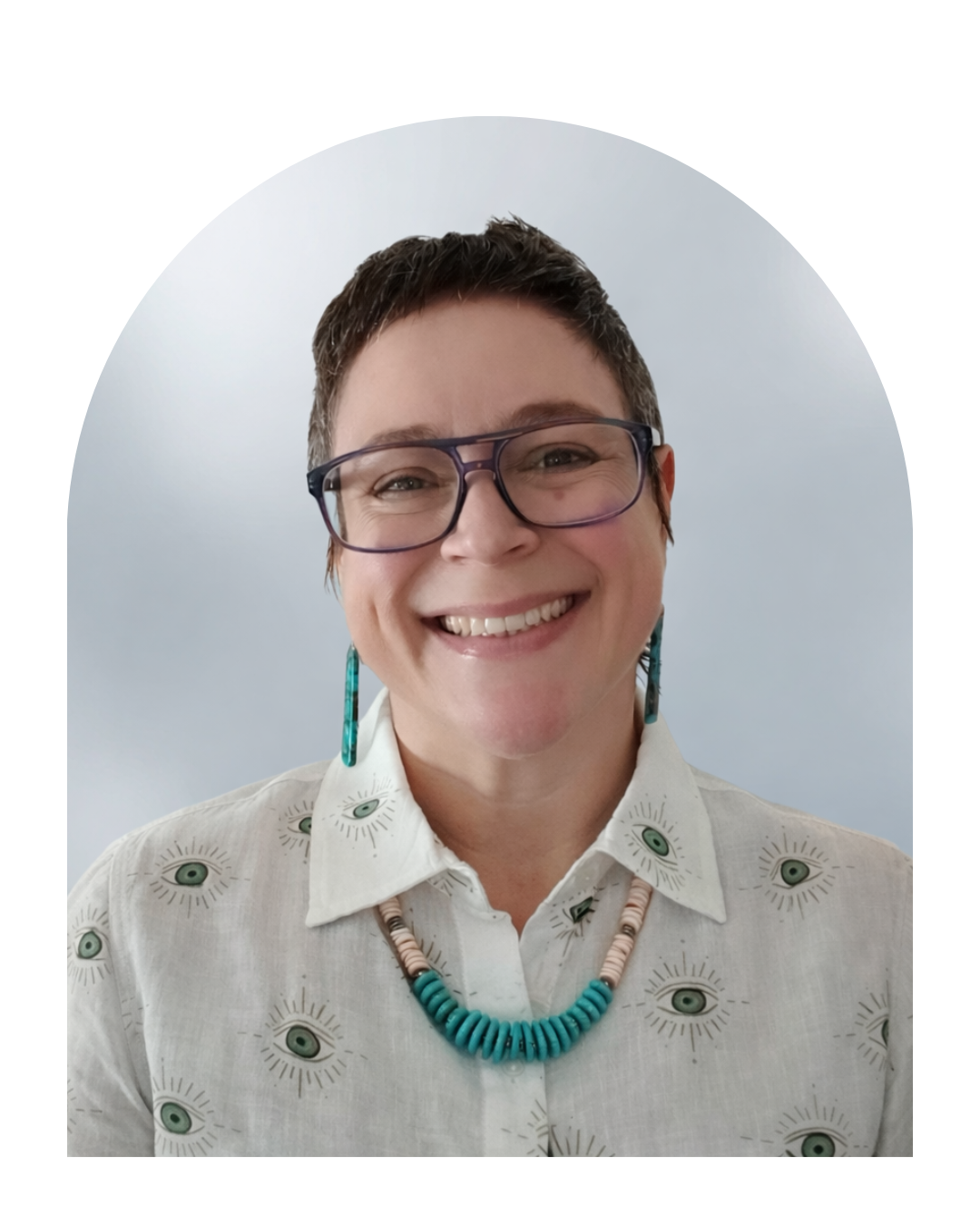
Amanda Lyon
Training and Technical Assistance Manager at the National Center on Domestic Violence, Trauma, and Mental Health.
Amanda Lyon, LCSW (she/they) is the Training and Technical Assistance Manager at the National Center on Domestic Violence, Trauma, and Mental Health. With a deep commitment to empowering survivors and their families, Amanda develops comprehensive training and technical resources tailored for behavioral health providers, domestic violence and sexual assault programs, hotlines, and coalitions. Their work aims to increase resource accessibility and effectiveness, ensuring survivors receive the support they need on their journey toward healing and empowerment.
Amanda has a Master of Social Work degree from the University of Alaska, Anchorage. This commitment was strengthened through their prior role as a Rural Grant Specialist at the Alaska Network on Domestic Violence and Sexual Assault, where they supported the development of integrated services for Alaska Native survivors of domestic violence and sexual assaults.
Amanda’s holistic approach to healing extends to her 17 years of expertise as a Clinical Ayurvedic Specialist and Ayurvedic Yoga Therapist, integrating trauma-informed principles, mindfulness, and compassion-based practices. In this role, they have served as the Ayurvedic Director for programs in California, Wisconsin, and Alaska, where they developed curriculum, trained practitioners, and supervised interns.
Strengthening Survivor Support Through Trauma-Informed Practice
Thursday, May 28th, 2026
10:30 AM – 12:00 PM (CT)
1.5 NASW-TN CEUs / 1.5 NBCC CEUs
This interactive webinar provides practical, trauma-informed strategies for supporting survivors of sexual violence in ways that promote safety, trust, and empowerment. Participants will explore how trauma affects communication, decision-making, and engagement, and learn how to recognize and respond to trauma-related behaviors with empathy.
Using an Accessible, Culturally Responsive, and Trauma-Informed (ACRTI) approach, participants will practice applying strategies that increase emotional safety, strengthen relationships, and support survivors’ self-defined goals. The session includes scenarios, reflection activities, and tools participants can use immediately to improve communication, reduce re-traumatization, and create safer, more responsive environments for survivors and staff.
After completing this session, participants will be able to:
Use trauma-informed language and strategies to increase safety, choice, and collaboration.
Apply at least two Accessible, Culturally Responsive, and Trauma-Informed (ACRTI) strategies in your setting.
Identify one strategy to support your own resilience or that of your team.