

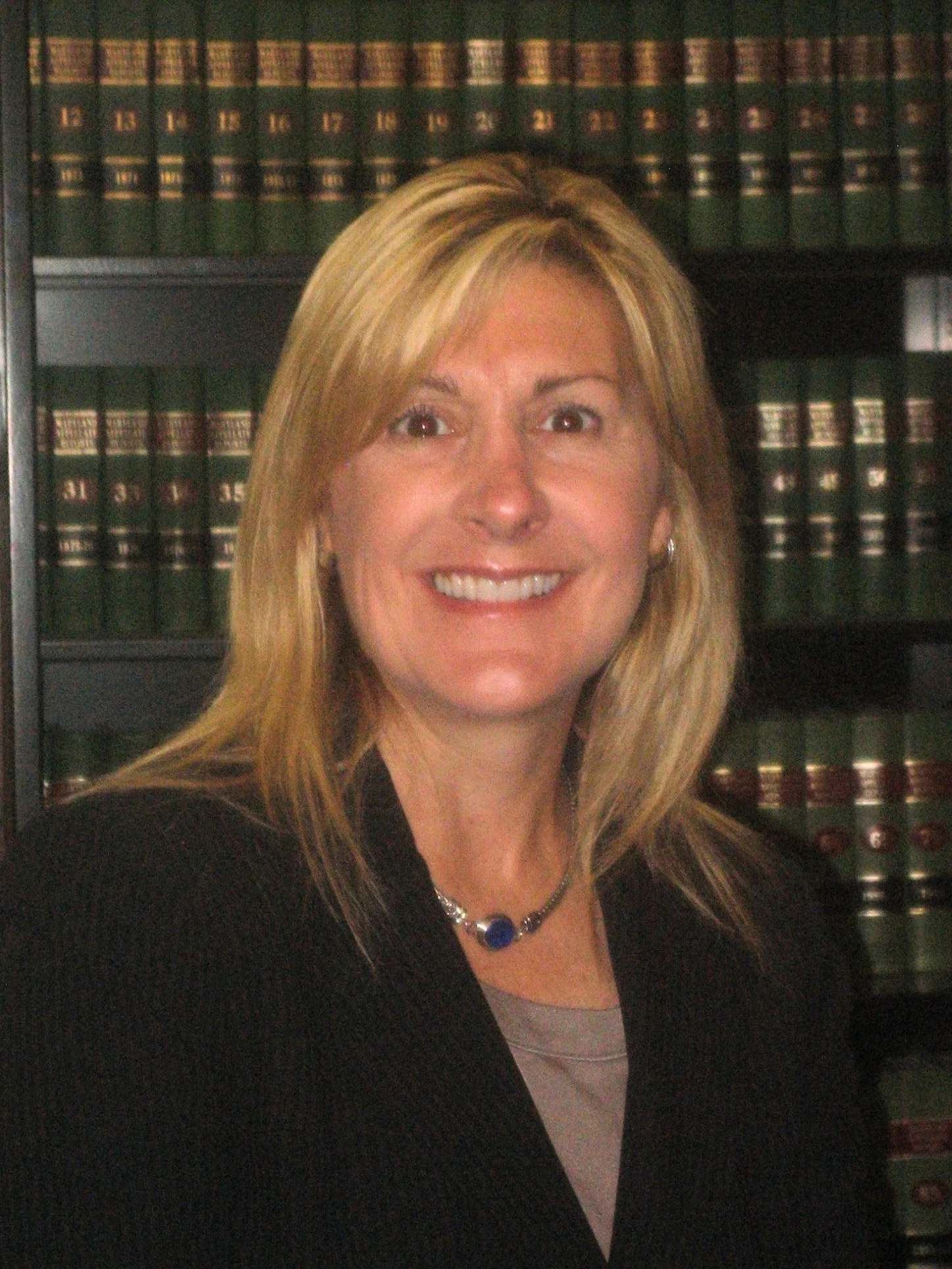
Mary-Ann Burkhart
Mary-Ann is currently an Assistant State’s Attorney in Worcester County. Her 30+ years of prosecution experience in the field of child abuse, family violence and sexual assault began in Miami, Florida before her move to Maryland. During her career, she has also worked to develop and implement programs to assist child abuse prosecutors and their multi-disciplinary teams as the Director of both the National Center for Prosecution of Child Abuse at the National District Attorney’s Association and the Child Abuse Prosecution Project with the Association of Prosecuting Attorneys.
Mary-Ann has published numerous book chapters and articles on various topics pertaining to the investigation and prosecution of child abuse cases and has trained thousands of multi-disciplinary team professionals through national, state and regional conferences. She’s currently working with Evidentia Learning to author and develop e-learning modules for child abuse professionals.
She graduated summa cum laude from Barry University in Miami, Florida with Bachelor of Science degree in Political Science, and received her Juris Doctor degree from the University of Miami School of Law. For her work in the field of child abuse, she received the Distinguished Alumni Award from Barry University.

You Are Safe Here:
Reducing the Trauma and Stress to Make the Courtroom a Safe Space for Survivors
Friday, May 29th, 2026
1:00 – 2:30 PM (CT)
1.5 NASW-TN CEUs
Testifying in court can be extremely stressful for both child and adult survivors of sexual assault and abuse. This stress only adds to the trauma experienced by our most vulnerable victims. This workshop will focus on the courtroom experience, how the studies show that testifying in court is traumatic and stressful, and how to reduce that trauma and stress through pretrial motions, courtroom configurations and jury education.
By the end of this workshop, participants should be able to:
(1) Identify those survivors in need of creative pretrial motions and courtroom configurations;
(2) Decide what methods of courtroom safety procedures are appropriate for this particular victim; and
(3) Explore ways in which to reduce the stress and trauma associated with courtroom appearances.